African-American Girls Face Obstacles In Our Schools
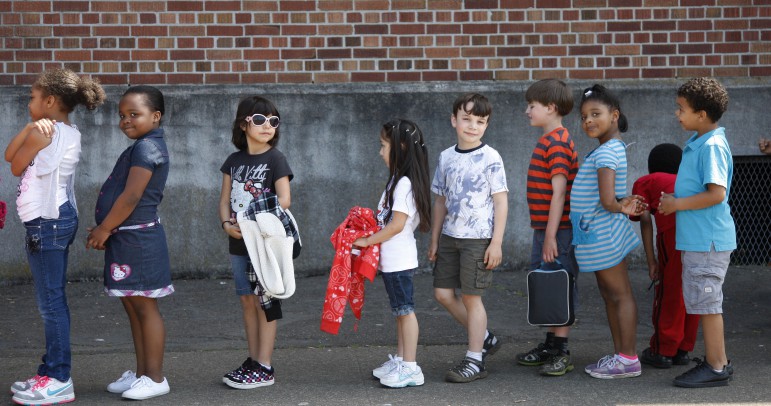
African-American girls are more likely to face harsh punishment, suspension, receive poor grades or be held back a grade than other girls their age.
In fact, African-American girls are faring worse than the national average for girls on a number of academic measures, according to a new report released by the National Women’s Law Center and the NAACP Legal Defense and Educational Fund.
The report spotlights obstacles that limit African-American girls' educational opportunities and the impact of those barriers.
African American girls often encounter deeply embedded stereotypes that reinforce racial and gender biases in the classroom. Research confirms that stereotypes of African American
girls are pervasive among educators who assume that African American girls require greater social correction than other girls.As a result, African American girls frequently face harsher disciplinary sanctions for “non-conforming” behavior, such as expressing their opinions, and are more likely to be erroneously disciplined as aggressors, instead of properly identified as victims of sexual harassment and violence.
African-American girls have limited access to Science, Technology, Engineering, and Math (STEM) classes.
Schools that disproportionately serve students of color, including high numbers of African American students, are considerably less likely to teach higher-level math and science courses and more likely to hire teachers without significant teaching experience in those subjects.
Furthermore, African American girls report being discouraged by teachers from pursuing STEM classes; for example, some education professionals steer African American girls to classes that promote dialogue, instead of encouraging them to achieve in the sciences.
With less access to curricula that lead to postsecondary education and high wage careers, African-American girls face factors with long-term socioeconomic effects. Federal data shows that nearly 50 percent of African-American households headed by a single mother are living in poverty.
Read the full report here.
- Related: Q&A: The Mis-Education Of African-American Girls via NPR