Even With No Threat Of Ebola, BPS School Leaders And Nurses Prepare To Respond
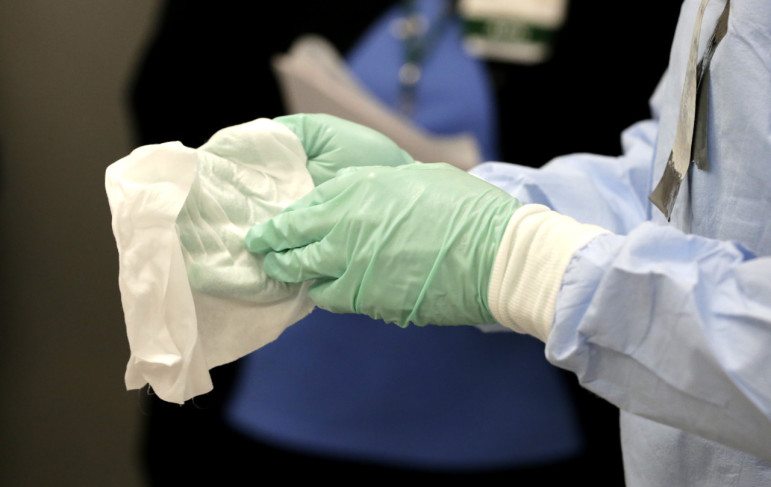
Several schools in Texas and Ohio closed following reports that a nurse infected with Ebola traveled to those areas. This has other school districts around the country looking for Ebola-like symptoms in staff and students and asking anyone with a fever about recent travel to West Africa.
There has been no reported threat of Ebola in Massachusetts schools, however, Boston school officials are preparing staff, just in case.
Ebola is spread by touching an ill person's blood or bodily fluids. It is unlikely that anyone working or attending Boston Public Schools will be infected with Ebola unless they have both traveled to an outbreak area and had direct contact with the blood or bodily fluids of an infected person or animal, a memo to staff says.
The Boston Public Health Commission outlined how teachers, nurses and staff should respond if anyone in the school community exhibits signs of the disease:
1. Ask the individual if they have been in an area where the Ebola outbreak in ongoing,
including Guinea, Sierra Leone, Liberia, or Lagos in Nigeria, in the past 21 days. If the
individual has not been to one of these areas in the past 21 days, they are not at risk
for Ebola.2. If the individual has been in one of these areas in the past 21 days, immediately take
them to a private room and ask them to wear a surgical mask (if possible).3. Call Boston EMS (911) and explain your situation. This individual will need to be taken
to a hospital to be evaluated. Boston EMS will advise the hospital before arriving with
the patient to ensure that appropriate infection control procedures are in place.4. Staff, such as the nurse, who interact with this ill individual should wear personal
protective equipment, including latex or nitrile gloves, face shield or a surgical mask
and goggles, and a gown that opens in the back (fluid resistant or impermeable).5. Report all suspected Ebola cases to the Boston Public Health Commission.
6. After the ill person leaves, items wet with body fluids should be disposed of in a trash
can with a lid and placed where other staff, children, or animals cannot access it. Any
rooms that the ill individual visited should be cleaned with a disinfectant. Staff cleaning
these rooms should also wear personal protective equipment as described above.7. Always remember to wash your hands with soap and water immediately after
removing gloves.
With flu season approaching, schools are already focusing effort towards their annual encouragement of general public health measures, such as diligently washing hands.
Families with questions about Ebola should call the Boston Public Health Commission, which has a multilingual hotline at (617) 534-5050.