A Perspective On How Obama's Immigration Order Will Impact MA Students
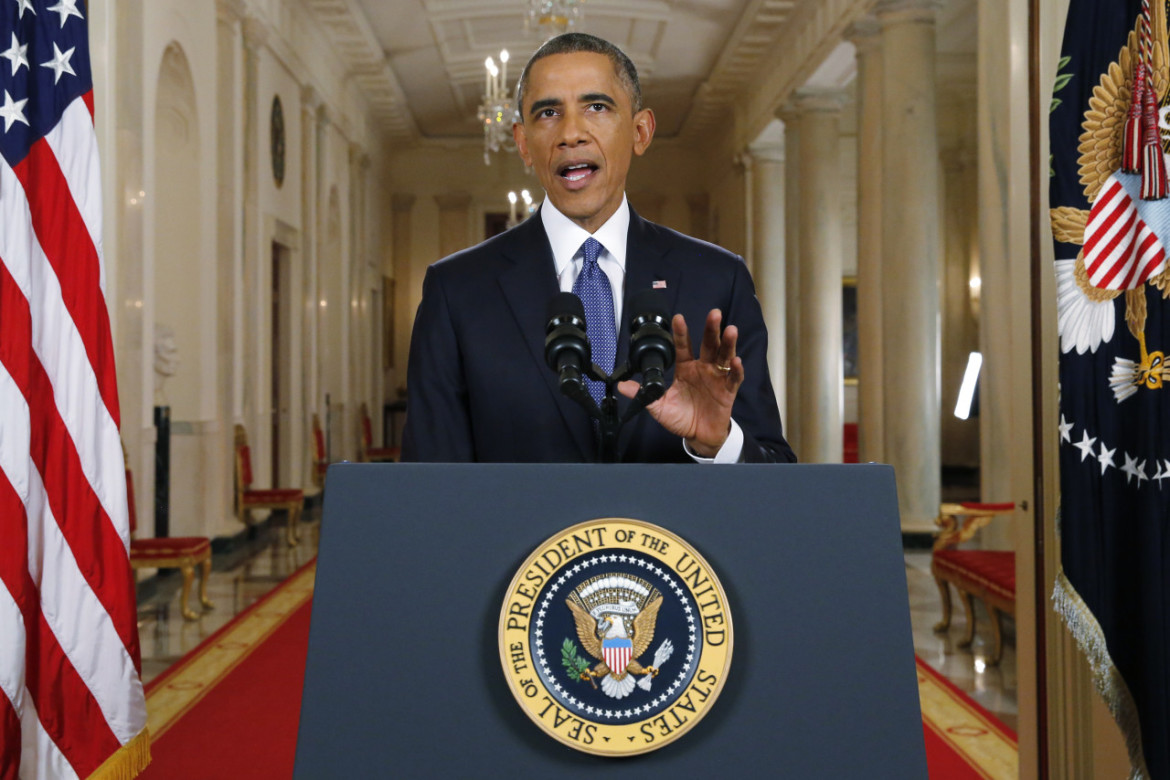
On Thursday evening, President Barack Obama announced his plan for executive action on immigration. The order may grant temporary legal status for up to five million of the country's 11.4 million undocumented people.
Although the order is far from the comprehensive immigration reform that many continue to hope for and left many with bittersweet reactions to the news, Obama's action will undoubtedly have impacts that reverberate across communities and within the country's elementary and high schools.
According to new data from Pew Research Center, unauthorized immigrants accounted for 3.5 percent of the 2012 U.S. population; and children with at least one undocumented parent made up 6.9 percent of students enrolled in kindergarten through 12th grade in 2012.
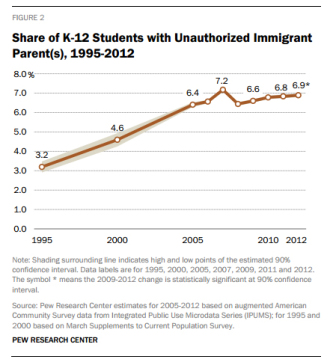
Most of the students with an undocumented parent were born in the U.S., but a portion of those students are undocumented themselves. States and school districts are legally obligated to serve all school-age students, regardless of immigration status.
Somerville Schools' Undocumented Population
"In the school district, we don't track their immigration status," said Anne Herzberg, an English language education guidance counselor at Somerville High School. "But as counselors, many of us know the students themselves."
Herzberg believes the President's order will have an impact at the Somerville school, which is part of a district that reports say welcomed about 60 new students from Central America who crossed the Texas border this year.
On Friday morning she said a lot of her students were "really excited."
"What I think I've heard the most in Somerville, is from the students whose parents are going to have some relief because they have younger brothers or sisters who were born here," Herzberg said. "Their parents have been here for a long time, and the students feel like they had had hope, but their parents hadn’t had hope for any kind of relief."
Until now, that is.
The President's order grants deportation relief to undocumented people whose children have been U.S. citizens or legal permanent residents of the U.S. for at least five years. That means the parents of millions of schoolchildren could obtain temporary legal status and be eligible to apply for work permits for the first time.
"We see that families would love to be more involved in schools but because of the types of jobs they are able to get and their relationships with their employers due to immigration status, they're unable to really be involved and come in when necessary," Herzberg said. "I think that families having legal, stable, appropriate employment is going to help them be more involved in their children's lives."
'Dreamer' Definition Expanded
Obama's actions will also change the age cap of so-called "Dreamers," an immigrant who was brought to the country without documents as a child.
Prior to the president's announcement, individuals under 30 who arrived in the country before they were 16 and were in the country for at least five years were eligible for the 2012 Deferred Action for Childhood Arrivals (DACA) program. DACA grants temporary reprieve from deportation and allows individuals to get work permits and Social Security cards.
Now, under Obama's plan, individuals brought to the country before 2010 can apply for three years of DACA relief, regardless of their age.
"When a student is in limbo and they don't know what their future is -- it's hard," Herzberg said. "Although this is a temporary thing -- three years -- for a high school student, that can make the difference between staying in school and dropping out."
This stability has made a difference in Herzberg's past.
"We’d had a number of students who dropped out previous to the first DACA program getting into place that then came back and said, 'Now that I have this option I want to come back to school, I want to be a part of this,'" Herzberg said. "I think it really gets more of our dropout students back into school and reengaged with the community."
One of the key debates about Obama's plan had been about the fate of the parents of Dreamers. As expected, Obama's plan failed to extend deportation protection to their parents.
New Relief May Bolster Students' College Hopes
Herzberg is optimistic that the president's order bodes well for the college aspirations of high school students.
Students whose parents will receive Social Security numbers for the first time will now be able to fill out FAFSA forms to receive federal student aid. Other students who will now be covered by DACA's expansion, although still barred from receiving federal or state financial aid, can apply for in-state tuition rates at Massachusetts' public colleges and universities.
"This will make a huge difference for them to feel like they can do college -- that college is affordable, that its possible for them," Herzberg said. "Previously, if they didn't even think that they could get in-state tuition at the time, they would just put off their college hopes, basically saying, 'Maybe in the future I'll have enough money or maybe something will change.'"
"Now," Herzberg continued, "they're going to have that reality."