Report: Ban On Junk Food In Mass. Schools Is Working
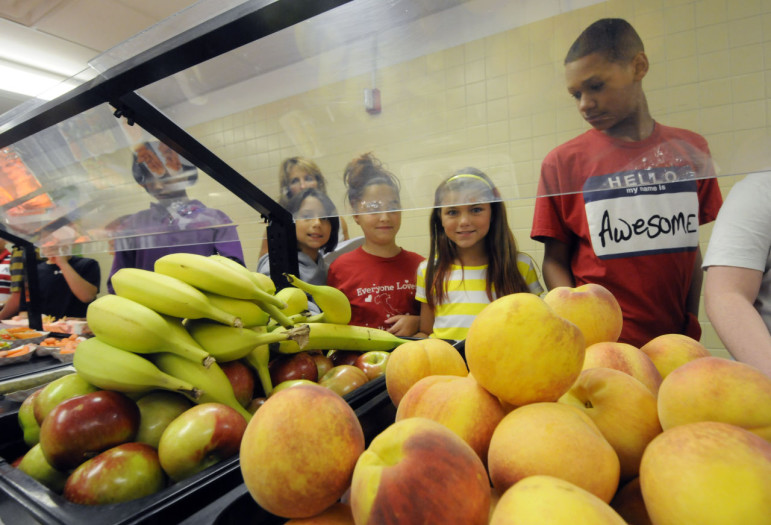
BOSTON -- Recent state standards that called for bans on sugary sodas, potato chips and other vending machine snacks in schools are working, says a study published Wednesday.
The study looked at "competitive" food available in school -- foods offered for sale beyond the standard school meals and typically found in school stores, vending machines or a la carte lines. It found that Massachusetts schools are offering significantly fewer foods that fail to meet the standards.
"What we showed in our Massachusetts data is that schools are able to implement the standards effectively with very little technical assistance, with no financial assistance," said Jessica Hoffman, a Northeastern associate professor and the study's lead author.
While school lunches have always had to comply with federal health standards, soft drinks and other products offered outside the standard lunch menu did not. The Massachusetts regulations went into effect during the 2012-2013 school year and were some of the strictest in the nation at the time.
The Northeastern study compared thousands of food and beverage options available in about 75 middle schools and high schools over a one-year period, before and after the standards took effect.
Before the new rules, only 13 percent of foods in middle schools met the standards, the study found. One year later, that number rose to 69 percent.
High schools showed similar progress. About 28 percent of beverages available in high school met the standards before the rules. That number climbed to 80 percent one year later.
"So if you looked at vending machines full of beverages," said Hoffman, "you would see a lot of water, 100 percent fruit juice limited to 8-ounce portion sizes, and you would see flavored and unflavored milk that was fat-free and low-fat."
Along with sodas and artificially sweetened drinks, candy bars, chips and ice cream have become less common. Instead, students can expect to find options with less fat and sugar.
WBUR's Qainat Khan contributed to this report.