Holyoke Schools Turnaround Plan: Longer Days, Possible Cuts, New Programs
Updated October 2, 2015, 11:08 am
State officials plan to turn around Holyoke Public Schools by lengthening the school day in elementary and middle schools, creating individualized college and career plans for high schoolers, focusing more intensively on English-language learners and disabled students and overhauling the district's assessment system.
Under the turnaround plan for the struggling Pioneer Valley school district, released Thursday, the district would also reallocate funds from the central office to individual schools whenever possible. Because most of the budget goes to salaries, the plan notes that staffs may be cut.
"We must ensure that those expenditures are made in the most effective manner to increase student learning," the plan states. "Therefore, principals will have the authority to ensure that the most effective staff are selected and retained."
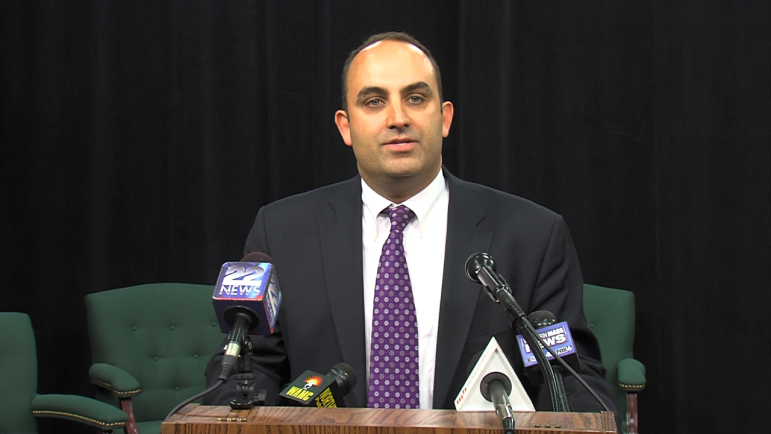
Holyoke schools have been under state control since April. The state receiver for the district, Stephen Zrike, Jr., released the 109-page plan with the Department of Elementary and Secondary Education.
"This plan calls for bold measures that are necessary to rapidly improve the education of Holyoke students," said Mitchell Chester, commissioner of elementary and secondary education, in a statement. "I am happy to support Dr. Zrike as he and Holyoke educators and families work to provide all Holyoke students a strong academic program that will prepare them for success after high school."
Under the turnaround, schools identified as struggling will be partnered with outside organizations, which state officials said they will name by December.
The plan also aims to improve graduation rates by targeting students at risk of dropping out or reengaging those who already have. Beginning this school year, the district will offer academies during vacation periods to support struggling students. It also plans to develop specific programs for students who are over-age but under-credited for their grade levels.
Holyoke’s graduation rate improved to 60.2 percent in 2014 -- up from 49.5 in 2011 -- but is still the lowest in the state. Similarly, the dropout rate has fallen in past years but is still the second-highest dropout rate in Massachusetts, behind Springfield.
In addition, the district will review its disciplinary procedures by February 2016 and may make changes in how it disciplines students.
The plan also includes recommendations from local stakeholders, who call for an increase in the district's cultural competency, with a focus on all cultures but especially on Latino children and families. They also urge the district to hire more teachers who speak Spanish.
Massachusetts Teachers Association president Barbara Madeloni criticized the plan, saying that it ignored those contributions from local residents and educators.
“The Local Stakeholder Group and the Holyoke Teachers Association provided in-depth recommendations that addressed the social and emotional needs — as well as the academic needs — of children in Holyoke, but that does not come across in this plan,” said Madeloni in a statement. “Those recommendations, for example, spoke to the need for dual-language education, culturally relevant curricula and adequate staffing for special education programs.”
She also called on the state to provide a larger financial investment in the struggling district, calling claims that Holyoke Public Schools receives appropriate funding "outright wrong."
The only other district currently in state receivership is Lawrence Public Schools. They've been under state control since 2011.