Under Claims Of Equity, Boston Plans To Cut School Meal Options
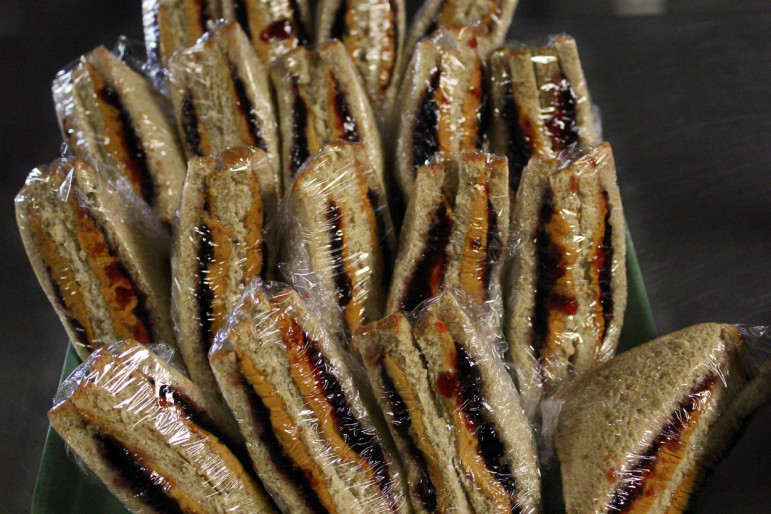
BOSTON -- In the wake of a potential budget shortfall of $42-$51 million, Boston school officials have proposed major cuts to the district's school meal program. The changes, which would reduce the variety and number of food options to Boston students, are scheduled to begin next month.
The changes include cutting back hot breakfast to just two days a week and a reduction in the number of overall lunch options available to students.
"We're decreasing the options, really, to provide equity amongst the schools," said Deborah Ventricelli, deputy director of Boston Public Schools' Department of Food and Nutrition Services (DFNS). "We have cafeteria schools that have full kitchens and we have satellite schools that do not have any kitchens. We've seen over the years that we've had more options available in the cafeteria than in satellite schools."
Under the new meal reductions, breakfast on most mornings would consist of fruit -- a federally mandated meal item -- plus milk and a bowl of cereal, yogurt or a muffin.
For lunch, cafeterias will limit students to two or three options. Most cafeterias will have peanut butter and jelly sandwiches available every day, along with healthy versions of options that school officials have determined as "popular" -- such as chicken nuggets, grilled cheese, meatball subs, hamburgers, pasta, chicken or cold cut sandwiches.
"It's not only a decrease in options, but it's putting what kids like," said Naveen Reddy, Boston schools' director of business improvement.
"The more options we have, we obviously need to prepare more food," Ventricelli said. "It is a challenge to forecast the meals that students are going to be selecting on a given day."
Due to the high concentration of students that qualify for free and reduced lunch in Boston Public Schools (BPS), the district offers free meals for all BPS students. Roughly 66,000 meals are served a day.
While DFNS can track the number of student lunch sales on given days, Ventricelli said they do not track the volume of individual items that are sold. DFNS plans to begin tracking the sales of individual items in September.
The menu cuts are part of a $4 million reduction to DFNS within the proposed school budget, which is up for vote by the Boston School Committee next week.
"I think it's another example of cutting support for the people that can least defend themselves, which is our children," said Marlena Rose, a former BPS parent and member of the Boston Education Justice Alliance.
Mellissa Honeywood, a Boston resident and director of food services for Cambridge Public Schools, believes reducing food options does not necessarily mean a reduction in wasted food.
"Reducing food options just diminishes variety that students have available to them to make an option," Honeywood said in an interview. "Overproduction is what creates food waste."
In a written testimony submitted to the Boston School Committee, Honeywood highlighted concerns that many Boston students who live in areas where healthy food options are limited rely upon BPS meals as examples of healthy food.
"Adults may hold a bias imagining students prefer 'Kids Menu' items such as chicken nuggets, hamburgers and hot dogs," Honeywood wrote. "However, students can't eat healthier food options if they are never offered."
While some adults may believe that students will pass up healthy food choices, nutrition standards introduced into school meals during the 2012-2013 school year have actually resulted in a national decrease in food waste, according to a recent study.
However, some BPS students say that lunch options currently available are so unappetizing that they prefer to go without eating.
This is not the first time that Boston food services have been immersed in controversy. Since at least 2008 the department has returned a net loss in profits each school year.
A 2014 independent review of Boston schools' food service department found that the department failed to take full advantage of its allotment of federally subsidized commodities, had no formal evaluation of vendors, made decisions with no evidence of teamwork, and had a leadership style of "management by intimidation."
The final FY16 budget for Boston Public Schools will be voted upon at the Boston School Committee meeting on March 25.