State Assumes Control Of Southbridge Schools, Revokes Dorchester School's Charter
BOSTON -- The Massachusetts Board of Elementary and Secondary Education voted Tuesday to declare Southbridge schools "chronically underperforming" and place the district in state receivership.
At a meeting in Roxbury, board members voted 9-0 in favor of the move, with one abstention.
Education Commissioner Mitchell Chester said low academic performance, large achievement gaps and constant leadership turnover have left the south-central Massachusetts district in need of state intervention.
"In the past five or so years, they've had seven different superintendents, seven different high school principals," said Chester, who had recommended receivership. "We can do better than Southbridge has been doing. With the receivership authority we have the tools and the ability to do better. "
Southbridge was among the lowest performing districts on 2015 state standardized assessments. A state-commissioned district review also found that 34 percent of students at Southbridge Middle/High School failed at least one course in 2015.
Under state receivership, an appointed receiver will develop a turnaround plan to enhance academic progress in the district. Southbridge joins Holyoke and Lawrence as districts currently under state control.
At Tuesday's meeting, many state education board members cited appeals from the Southbridge community as influences for their votes. Ed Doherty, the board's labor representative, abstained from the vote because state law allows a receiver to let teachers go, regardless of their collectively bargained contract.
Chester will take over as interim receiver until a permanent receiver is named. He said he expects to name a receiver by mid-February. Chester indicated he's entertaining the idea of a nonprofit receiver, rather than an individual.
But student board representative Donald Willyard, who voted for receivership, said he's not comfortable with a company running the school district.
"I think it's better to put a face rather than a logo when it comes to receivership," Willyard said.
Southbridge Interim Superintendent Timothy Connors agreed that leadership has been an ongoing struggle in the district. He's been in the interim position since the last superintendent left two-and-a-half months ago.
"The board recognizes that with some stability there can be a turnaround very quickly," Connors said. "Our teachers and our administrators that are there presently are committed to making this work and doing the best we can for our children."
Board Revokes Dorchester School's Charter
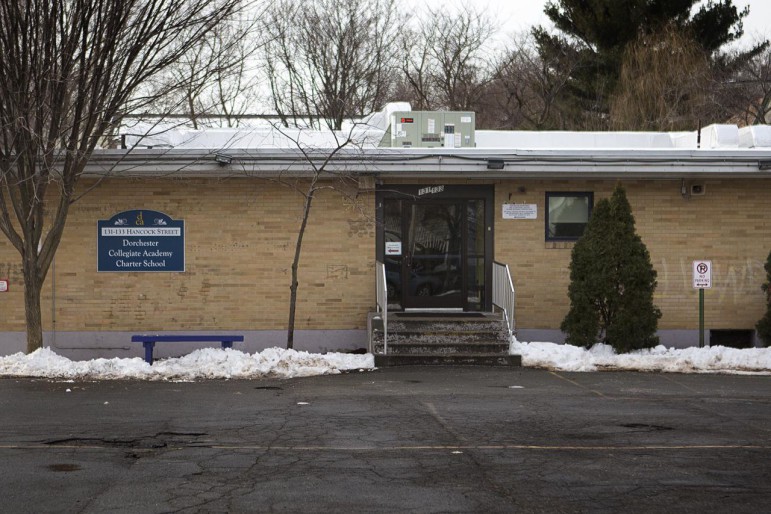
In an emotionally charged vote at the same meeting, the state education board voted 6-4 to revoke Dorchester Collegiate Academy's charter. About 20 stunned parents in bright yellow shirts with the DCA logo stormed out after the vote, many in tears.
Aisha Barnes, who has two children at DCA, praised the school's social-emotional services -- and lamented the vote.
"My daughter has those difficult needs that every teacher doesn't understand, every school wouldn't understand," Barnes said. "I don't know what the option for her is right now."
Commissioner Chester cited the school’s low test scores, high attrition rates and lackluster enrollment as reasons to close the seven-year-old charter school.
"Closing a school is not an easy thing and I don't make that recommendation lightly," Chester said.
The state will host a meeting at the school Wednesday with DCA parents, Boston Public Schools officials and officials from other Boston charter schools to help parents figure out their next options. Boston Public Schools said they're happy to welcome DCA students; the initial deadline to apply to BPS openings is Friday.
DCA Headmaster Bob Flynn said the school targets students with social-emotional needs who don't thrive in traditional school environments and provides them counseling services.
State Education Secretary Jim Peyser said the board's vote should not be a signal to charter schools to hesitate from taking such high-needs students.
"Serving high-needs students does not mean lowering their expectations for their outcomes and their achievement. That's the main message we're sending here," Peyser said. "It's important for charters to serve all students, especially high-needs students, but it's also important for them to help those students achieve at high levels."