For 20th Year, Boston Provides Free Summer Meals For Youth
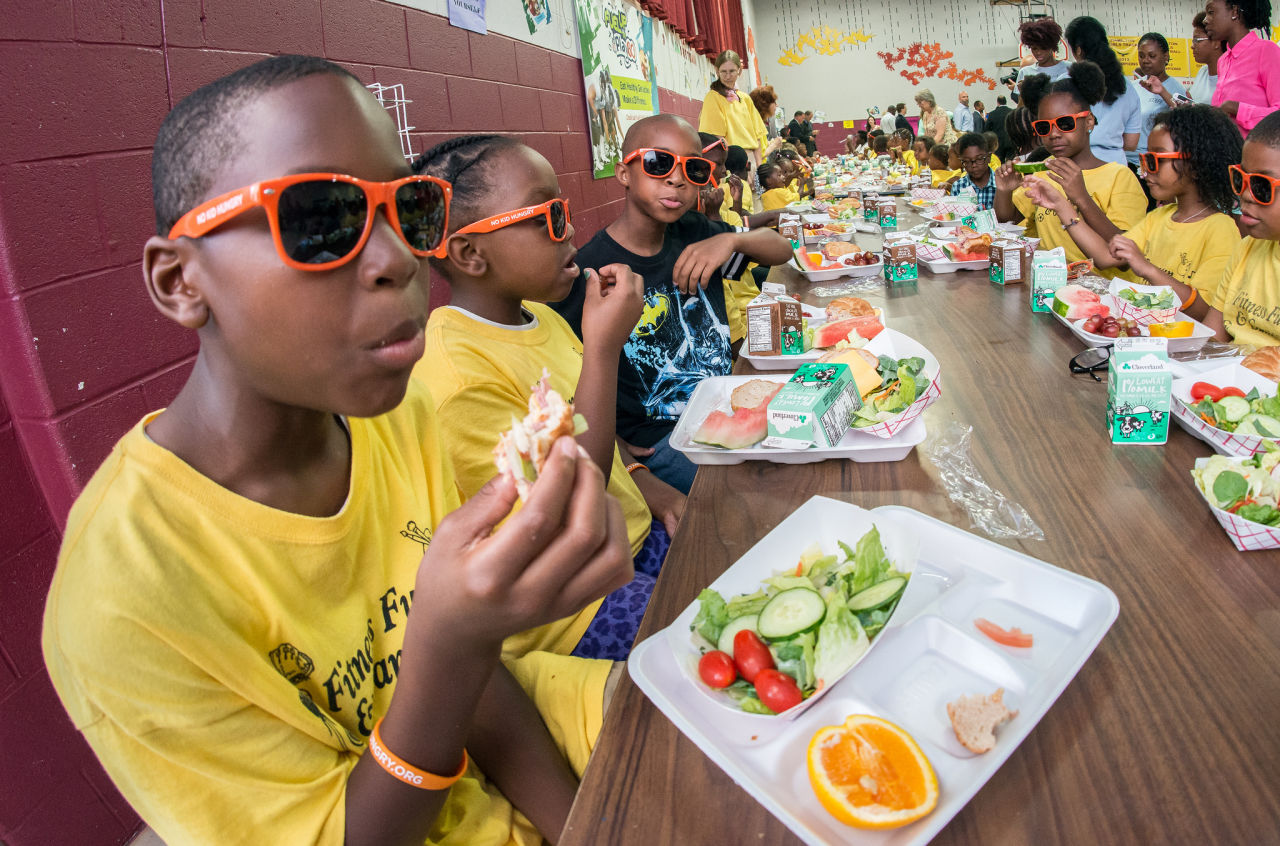
BOSTON -- School's out for the summer. For students it may mean a long-awaited break from endless homework, standardized testing and bus rides to school.
It also means a break from noisy school cafeterias and school lunches. But what about the roughly 43,000 Boston students who may rely upon their free and reduced meals to get food?
To address this, Boston Public Schools (BPS) on Wednesday kicks off its 20th summer of providing free meals to Boston children.
From July 1 through Aug. 28, free breakfast and lunch will be available at over 120 locations throughout the city. All Boston youth, 18 and under, are eligible to receive the two meals offered each weekday at the Boston sites.
The meal program is accompanied by phone (1-800-645-8333) and text (617-863-MEAL) hotlines that youth and families may use to find their nearest free meal options.
The Summer Meal Program
The meal program is sponsored by BPS in conjunction with the U.S. Department of Agriculture (USDA) and Project Bread, a Boston-based organization that offers programs to assist those in need of food.
"The summer meals program is a federal program that is really a bridge from the school year to the next school year," said Ellen Parker, executive director of Project Bread. "There's no questions asked. In Boston, it's a stigma-free program where we serve all children, regardless of their legal status."
Breakfast on most mornings will consist of fruit and milk plus cereal, muffins or bagels. Lunches may be hot or cold depending on the location, and may include sandwiches, salads, chicken or chili.
"Almost always there's a lot of activity built around the meal," Parker said. "It's come to camp, learn to read, have some fun, learn to sew, do some theater -- and by the way get something good to eat for lunch."
Prepared meals will be provided by vendors across the city at various Boston Public Schools, community centers, day camps, churches and pools. There are numerous locations in every region of the city.
"We want kids to eat healthy food, we want them to have enough to eat," Parker said. "If you go around to all the summer meal sites you'll see lots and lots of different activities because having lunch should be fun."
A Dorchester Ministry Serves Youth
Over the past four years the Rev. Miniard Culpepper and the Pleasant Hill Missionary Church have opened up their church during the summer as a site to give out the USDA-provided meals to the community's youth. They are one of the 38 locations serving free meals in Dorchester this summer.
"The program is a significant part of feeding the children in the neighborhood who, normally, during the school year, have that extra meal that's provided by the school," Culpepper said.
Every summer, Pleasant Hill Missionary Church starts off serving about 50 youth each day. Throughout the summer, that number can double.
"By the end of the summer we're feeding almost 100 kids a day with this lunch program and so it's significant, it's not something that we take lightly," he said. "It'll increase as we do outreach and as the word gets around that the program is up and moving."
The meals coming out of the church may be the only options for youth that rely on school-provided meals. Rev. Culpepper knows that a well-nourished student focuses better both in and out of school.
"You can't preach to folks sitting there on an empty stomach," he said with a laugh.
Food Insecurity
The free meal program is available both in Boston and throughout the state. Across Massachusetts, organizations participate in USDA's Summer Food Service Program and receive reimbursements to provide free meals to youth.
Sponsoring programs apply for up to $5,000 in grant funding that may be used for a variety of purposes, including opening a new site, incorporating locally grown foods into the meals, developing a nutrition education campaign and specific outreach to attract teens to summer meal sites.
At most participating sites, meals will be available once or twice a day. Residential camps and sites that primarily serve children from migrant households may be approved to serve up to three meals per day.
According to Project Bread's annual status report on hunger in Massachusetts, about 17 percent of children in the state are food insecure -- meaning they lack reliable access to nutritious food that they can afford. In Boston, that number is even higher.
About 80 percent of Boston children live in households that likely qualify, says Project Bread's Parker.
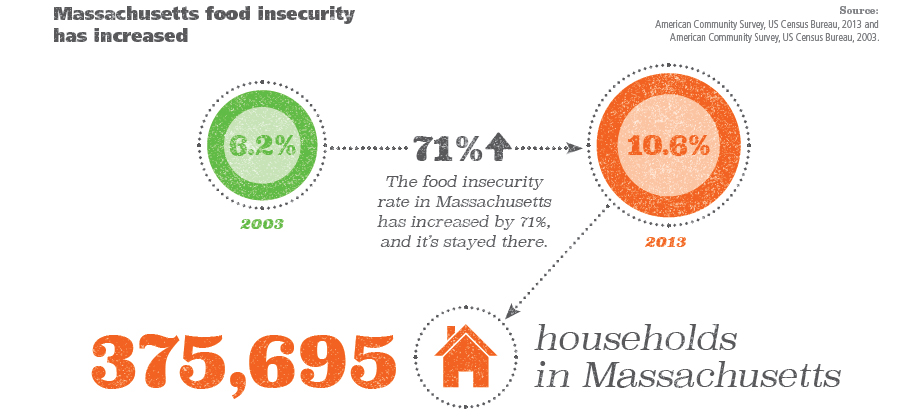
In the decade between 2003 and 2013, the rate of food insecurity in the state spiked.
Parker says that due to the 2008 recession, an increased reliance on programs like the summer food program was also met with a cut to public resources.
"You really have to have activity to draw the kids in to get something to eat. In years where local communities have cut back on parks and recreation you actually see a drop in participation in summer meals because the fun, attractiveness isn't available," Parker said. "During the summer we depend upon the local communities, local parks and recreation, or local churches."
This year the program will be introducing summer meals in two motels for families with kids that live there and will increase the number of meal sites within Boston Housing Authority housing.
Despite recent cuts to school meal options in Boston, Deborah Ventricelli, deputy director of BPS food and nutrition services, say that the summer meals will not be affected.
"A variety of breakfast items, fresh fruits, vegetables, salads and sandwiches are served daily," she said in an email. "We continue to work through the summer to encourage children to come for free meals."